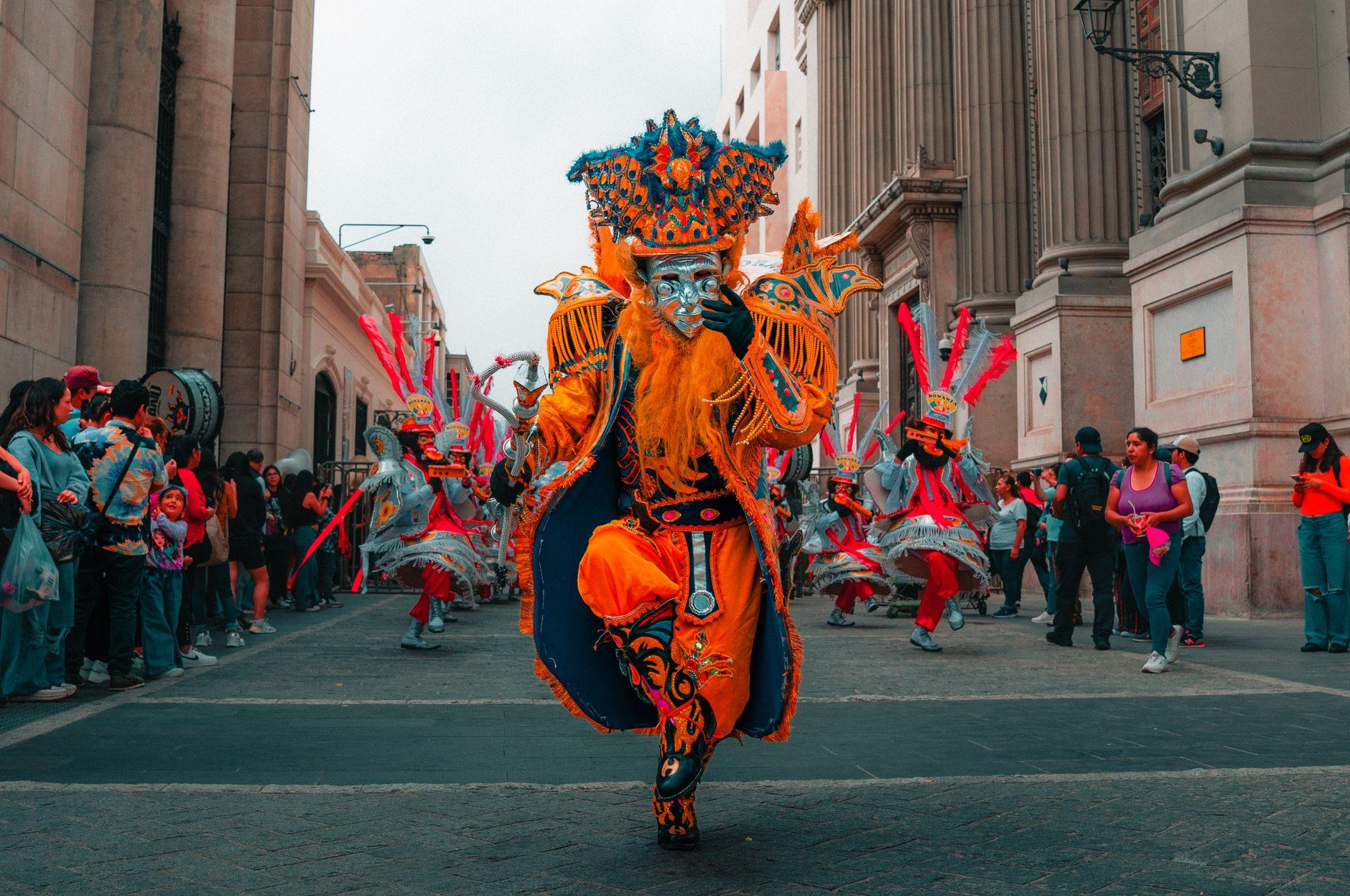
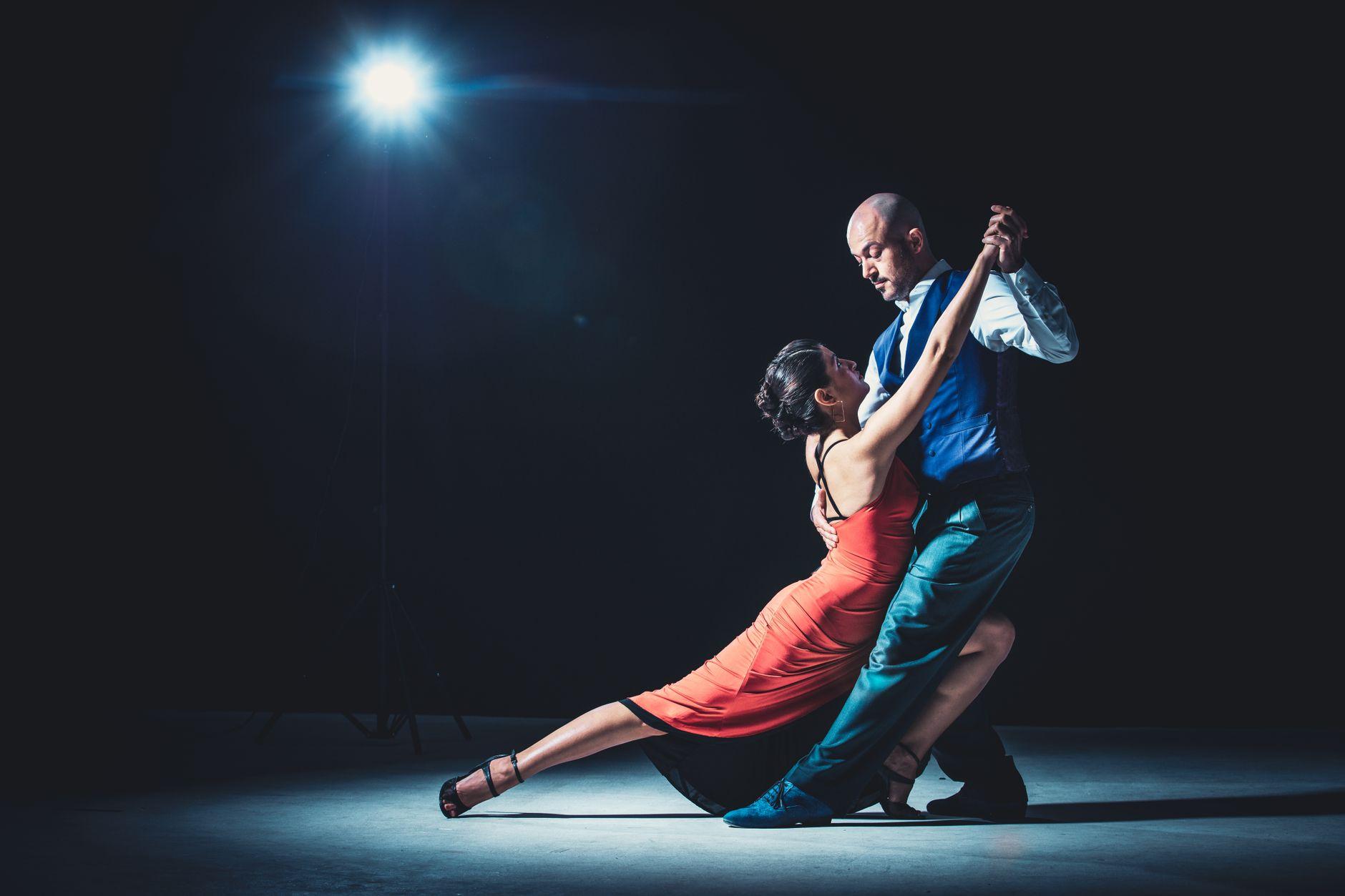
Dancing in Bogotá: Salsa, Cumbia, and the Colombian Capital's Dance Scene
Bogotá doesn't have Cali's salsa reputation, but the Colombian capital has a dance scene that goes much deeper — from traditional cumbia to Cali-style salsa, from underground clubs in La Macarena to rooftop parties in Usaquén.
Every dancer who goes to Colombia gravitates toward Cali. Understandably — Cali is the salsa capital of the world, and that draws. But Bogotá, at 2,600 meters above sea level in the eastern Andes, has a dance scene that is more complex, more varied, and in some ways more interesting than its southern rival. It just doesn't advertise itself as aggressively.
Bogotá vs Cali: The Real Difference
Cali's identity is inseparable from its salsa style. When you go to Cali, you go to learn and dance Cali footwork. The scene is deep and specifically focused.
Bogotá is a capital city of 8 million people with the musical diversity that implies. Yes, there is salsa — both Cali-style and casino. But there is also cumbia (the music Colombia arguably invented), vallenato, champeta, and a growing electronic music scene that incorporates Afro-Colombian rhythms. For a dancer interested in the full breadth of Colombian popular music, Bogotá is actually the better base.
The Dance Neighborhoods
La Macarena is the area around the National Center for the Arts and has the most concentrated nightlife for people who care about music and culture rather than just clubs. Small bars with live music, underground events, intimate venues where you might find a cumbia group playing to twenty people — this is where Bogotá's musical authenticity lives.
Zona Rosa (Parque 93 area) is more polished and expensive — think cocktail bars and mainstream clubs. The Latin dancing here is real but the atmosphere is closer to any international city's upscale nightlife.
Usaquén in the north has a neighborhood feel with good restaurants and late-night bars. Rooftop parties here tend to draw a mixed crowd of locals and expats.
Cumbia: The Dance You Didn't Know You Needed
Quiebracanto in Bogotá is one of the few clubs in the world where you can reliably find authentic cumbia every week — live bands, a packed floor of Bogotanos who grew up dancing this, and a musical experience that connects directly to Colombia's Caribbean coast tradition.
Cumbia is not taught in many international dance schools. It's simple at a surface level (the basic is accessible in minutes) and inexhaustibly rich once you go deeper — the percussion conversation, the interplay with the gaita flutes, the way the community dances it collectively rather than as pure partner work. If you go to Bogotá and skip the cumbia nights, you've missed something irreplaceable.
The Altitude Question
2,600 meters is not a joke. Bogotá sits higher than most Alpine ski resorts. The first two days, you will notice it: headaches, slight shortness of breath, less endurance when dancing. Drink water obsessively, avoid alcohol the first night, and don't try to do a four-hour social on day one.
By day three, most visitors have adjusted enough to dance normally. Plan your itinerary with that in mind.
Practical Considerations
Bogotá has a complicated safety reputation that requires some nuance. The neighborhoods where dancers actually spend time — La Macarena, Chapinero, Zona Rosa, Usaquén — are safe and well-patrolled. The city as a whole requires urban awareness: use Uber or InDriver rather than random taxis, don't display expensive phones or cameras on the street, and follow your local host's guidance about which areas to avoid at which hours.
That local guidance matters more in Bogotá than in most cities. Connecting with a local dancer through Swelloo before you arrive gives you someone invested in your safety as well as your dancing.
The cost of living in Bogotá is significantly lower than any European capital. A dinner that would cost €35 in Madrid costs €8 here. Taxis are cheap. This makes Bogotá an excellent destination for longer stays — two or three weeks rather than a long weekend, which is the kind of time it takes to actually understand the dance scene.
Best Time to Visit
Bogotá's climate is famously stable — it's spring-like year-round, around 14–18°C. The rainy seasons (March–May and September–November) bring afternoon showers but rarely affect evening plans. There is no bad time to visit in terms of weather.
October is worth targeting: the Iberoamerican Theater Festival brings additional energy to La Macarena neighborhood, and the cultural calendar is particularly rich.
Heading to a festival? Stay with local dancers.
Swelloo connects dancers worldwide so they can exchange their homes. No accommodation costs, with a host who truly understands the traveling dancer lifestyle.
Discover Swelloo