The Dancer's Guide to Salsa Travel: Best Cities in Europe and Latin America
Salsa is the most traveled dance in the world. From Cali's footwork to New York's on2, from Medellín's festivals to Madrid's Sunday socials — this is the guide to building a travel itinerary around salsa.
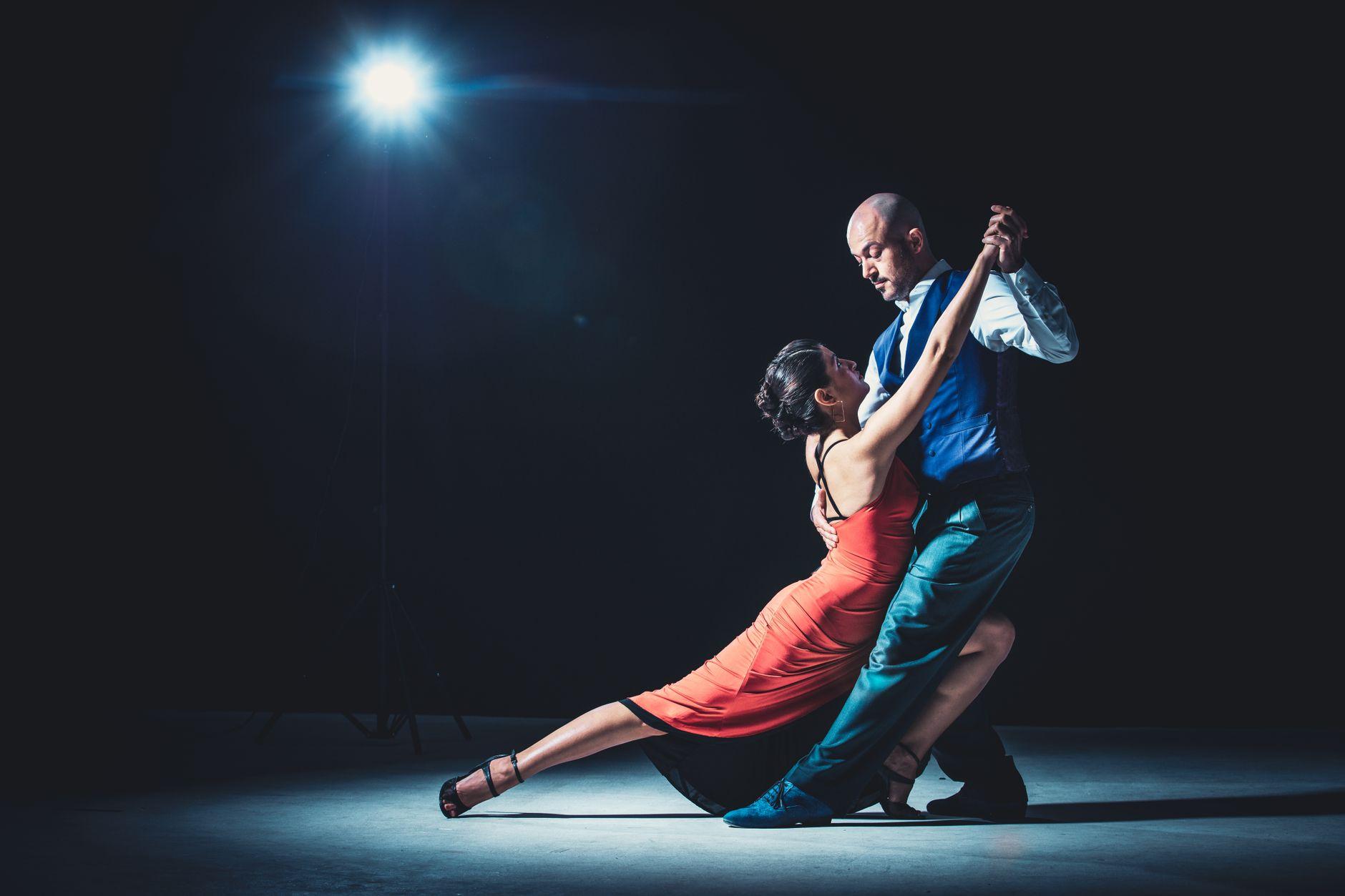
Salsa dancers travel more than almost any other dance community. The global festival circuit — Cali, Medellín, New York, Madrid, Zurich, Paris, Havana — means there is always somewhere worth going, always a reason to book flights. Here's how to think about building that itinerary intelligently.
The Styles: Know What You're Dancing Before You Go
Salsa is not one dance. Understanding which style you dance — and which style dominates in each city — saves confusion and improves the experience considerably.
Cali style (Colombian footwork) dominates in the Colombian cities and has a significant presence in Panama, Ecuador, and parts of Europe. The weight is forward, the footwork is intricate and fast, and the upper body stays relatively still. If you dance primarily on2 or Cuban, a Cali social will feel foreign initially.
Cuban style (casino) is what you'll find in Havana, in much of Miami, and in Spanish-speaking communities globally. Partner connection is close, movement is circular, the music is often live and includes timba, son, and rumba elements.
New York on2 (mambo timing) is the style you'll find at the most technically focused international festivals. It's structured, elegant, and has a large European following. The leading salsa festivals in Zurich, Amsterdam, and much of the Paris scene are heavily on2.
On1 bridges between styles and dominates at more casual socials in many cities. Most social dancers can navigate on1 even if they train in another style.
Best European Cities for Salsa Travel
Madrid and Barcelona are the most active salsa cities in Europe, with something happening almost every night of the week. Madrid's Casa de Cuba and various weekend congresses attract serious dancers. The presence of large Latin American communities means the music and culture feel authentic, not imported.
Zurich hosts one of the most technically demanding salsa congresses in Europe and has a salsa scene remarkable for a city of its size. The Swiss take their salsa seriously.
Paris has a massive scene across Cuban, on2, and other styles, driven by its large Caribbean and African communities. The quality of dancing is very high. The city itself adds to the experience in ways that don't need explaining.
Rome has a Latin scene centered more on bachata than salsa, but good salsa socials happen weekly and the Italian community's passion for the music is unmistakable.
Best Latin American Cities for Salsa Travel
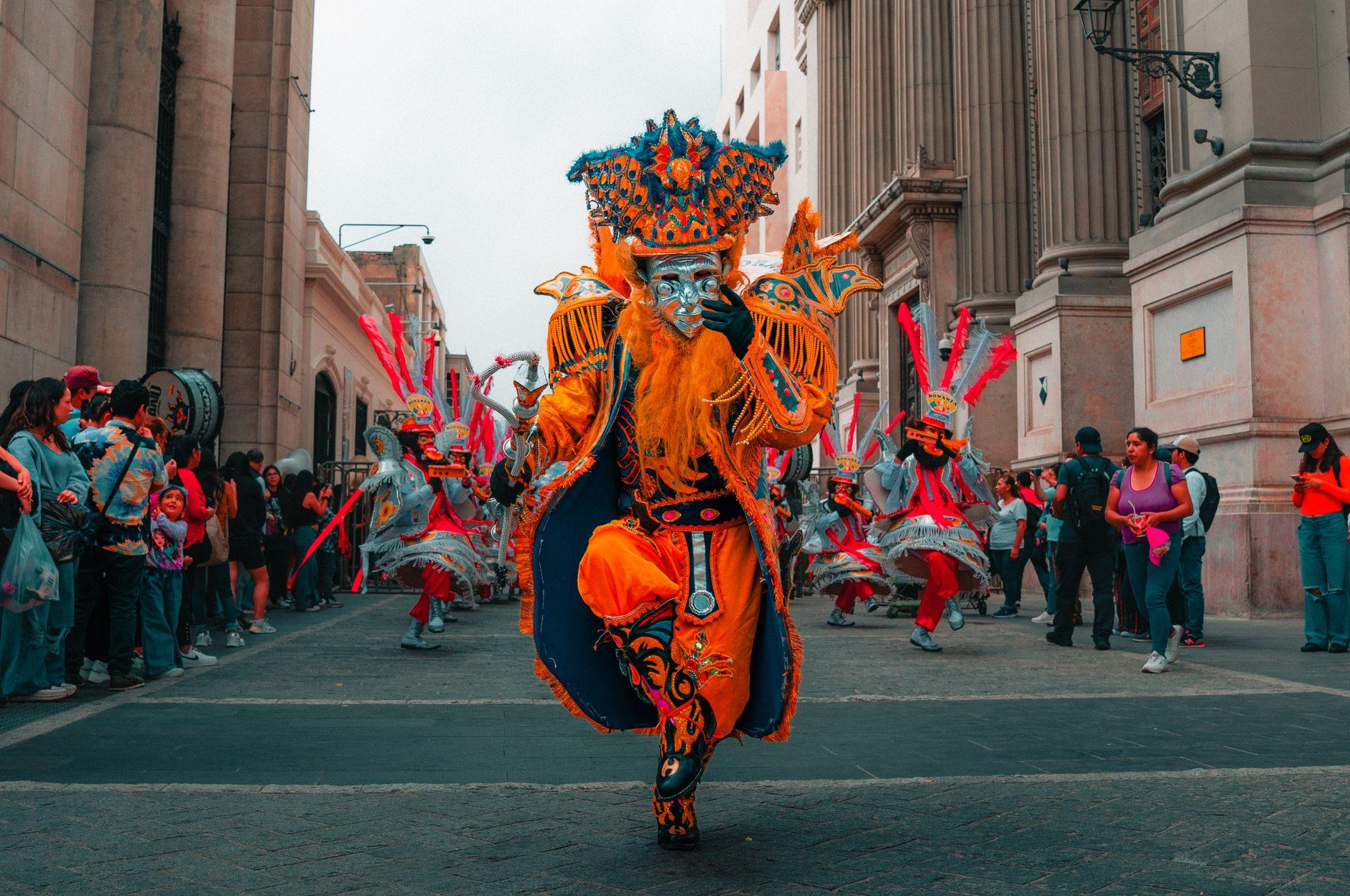
Cali, Colombia is the world capital of Cali-style salsa and an extraordinary destination even if you don't dance Cali style. The Feria de Cali in late December is one of the world's great dance events: the entire city transforms. If you go, stay long enough to take classes — the local instruction is unlike anything available outside Colombia.
Medellín has one of the most modern and international salsa scenes in Latin America, with a strong on2 presence and excellent festivals. The city itself has transformed dramatically and is now genuinely comfortable and fascinating to visit.
Havana is Cuban style by definition, and dancing there — at Casa de la Música, at Salón Rosado de la Tropical, at any casa particular where someone's pushed the furniture back — is an experience that resets your understanding of what the music is for.
Mexico City has a serious salsa scene anchored by venues like Salón Los Ángeles that go back decades, alongside a growing community of on2 and casino dancers in Roma and Condesa.
Building the Itinerary
The most effective approach is to plan around one or two anchor events per trip — major festivals or congresses — and use the surrounding days to explore the local scene. Most cities have social dancing every night; you don't need to be at a festival to dance well.
Accommodation is consistently the biggest cost and logistical challenge on the salsa circuit. Connecting with local dancers through Swelloo before you arrive gives you accommodation at far lower cost and — more valuably — a local who knows which Friday night social is actually worth attending and which is better skipped this particular week.
What Makes Salsa Travel Different
Salsa dancers tend to integrate into local scenes more quickly than other dance travelers because the music is so social. You show up, you ask someone to dance, you're part of the community within thirty minutes. That immediate integration makes every city feel like less of an arrival and more of a reunion with people you haven't met yet.
That quality — the ease of instant community — is what makes the salsa travel circuit so addictive. And why, once you start, you rarely stop.
Heading to a festival? Stay with local dancers.
Swelloo connects dancers worldwide so they can exchange their homes. No accommodation costs, with a host who truly understands the traveling dancer lifestyle.
Discover Swelloo