Dancing in Lima: Salsa, Afro-Peruvian Music, and Where the Limeño Dance Scene Hides
Lima is Peru's cultural capital and one of South America's most underrated dance destinations. The city has a thriving salsa scene, a unique Afro-Peruvian dance tradition (festejo, marinera), and a growing bachata community — all largely invisible to conventional tourism.
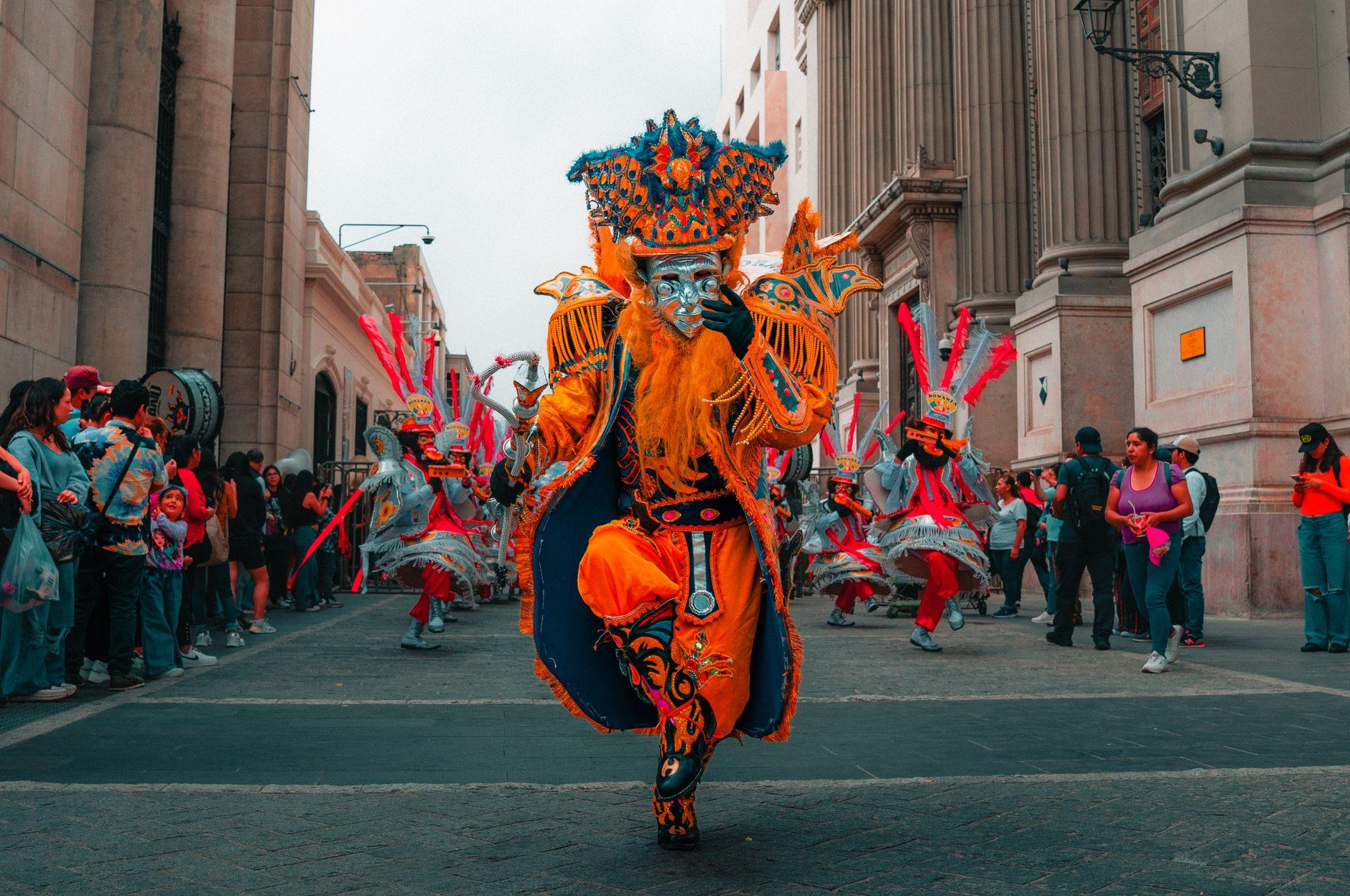
Lima doesn't appear on most dancers' travel lists. That's partly because Peru isn't positioned as a dance destination — nobody packages it as "the salsa capital" or "the tango homeland." But Lima has a dance culture rooted in Afro-Peruvian history and a contemporary salsa scene that has developed quietly into something genuinely worth visiting. If you find it, you'll be glad you did.
The Afro-Peruvian Foundation
The most important and underknown fact about Peruvian dance is that its roots are African. Peru received a significant enslaved population from West and Central Africa during the colonial period, and the descendants of that population — concentrated in coastal communities south of Lima — created a musical tradition that is entirely their own.
Festejo is the most energetic Afro-Peruvian form: percussion-heavy, joyful, with footwork that has visual echoes of both Caribbean and West African movement. Marinera norteña is the national dance of Peru — a handkerchief dance that originated in Lima's port neighborhoods and is technically demanding, beautiful, and unlike anything else in Latin America.
These are not dances you can easily learn outside Peru. If you're in Lima, the Centro Cultural Peruano-Japonés and several schools in Barranco offer classes. Go.
The Contemporary Salsa Scene
Lima's salsa scene is primarily casino-style (Cuban) and on1, with a growing on2 community in Miraflores and San Isidro. The venues shift, but the pattern is consistent: salsa in Miraflores tends toward the polished and international; salsa in Barranco and La Victoria tends toward the local and rough-edged.
Miraflores is where visiting dancers typically land — the safest, most tourist-accessible neighborhood, with the most internationally oriented salsa venues. Wednesday and Friday nights reliably have social dancing.
Barranco is Lima's artistic neighborhood, pressed up against the Pacific Ocean cliff, and has a handful of small bars and clubs with live music nights that draw a serious dancing crowd without being explicitly "dance venues." The informality is part of the appeal.
Salón Crisantemo in Cercado de Lima is old-school: a neighborhood dance hall where older couples still dance danzón and bolero alongside younger salseros. Worth the slightly longer trip from Miraflores for the atmosphere alone.
What Lima Costs
For a European dancer, Lima is dramatically affordable. The sol trades well against the euro. A good dinner in Miraflores — and Limeño food deserves its reputation as some of the best in Latin America — costs €10–20. Accommodation in a decent apartment or hotel in Miraflores runs €30–60 per night. Ubers are cheap. The festival pass economy that can make European travel expensive essentially doesn't exist here — most social events have a small door charge or none at all.
This affordability makes Lima a destination where staying longer makes sense. Two weeks in Lima, properly organized with the right local connections through Swelloo, gives you enough time to actually get under the skin of the scene rather than just glimpsing it.
The Food Argument
It would be incomplete to write about Lima and not mention the food seriously. Lima has a genuine claim to being South America's best food city, and possibly one of the best in the world: ceviche done right (lime-cured, spicy, served immediately), anticuchos from street carts, the Chinese-Peruvian fusion of chifa, and the high-end innovation of restaurants that have put Lima on the international culinary map.
Eating well costs almost nothing here. Budget the same amount you'd spend on a mediocre meal in Madrid and get something extraordinary.
When to Go
Lima's coastal climate is peculiar: gray and mild from May to November (the garúa, a persistent sea mist), then sunny and warm from December to April. Both seasons are perfectly fine for the dance visitor. The garúa is occasionally depressing if you're expecting sun, but it has no effect on what happens indoors.
January and February see some Afro-Peruvian festivals and increased cultural programming. If the Afro-Peruvian tradition is your primary interest, timing around Carnaval in February adds considerably to the experience.
How to Actually Find the Scene
The Lima dance scene — like many South American scenes — is not well-organized for outsiders. Venues change, events are promoted via WhatsApp rather than websites, and some of the best nights happen in private homes. Having a local contact is not a luxury here; it's functionally necessary if you want to do more than go to the two venues that appear in search results.
This is the core argument for connecting with a dancer host before you arrive. The difference between the Lima a tourist finds and the Lima a local dancer knows is substantial.
Heading to a festival? Stay with local dancers.
Swelloo connects dancers worldwide so they can exchange their homes. No accommodation costs, with a host who truly understands the traveling dancer lifestyle.
Discover Swelloo