Buenos Aires for Tango Dancers: The Complete Guide
Buenos Aires is the birthplace of tango and still its spiritual home. From milongas in San Telmo to late-night practicas in Palermo, this is the guide every tango dancer needs before their first visit.
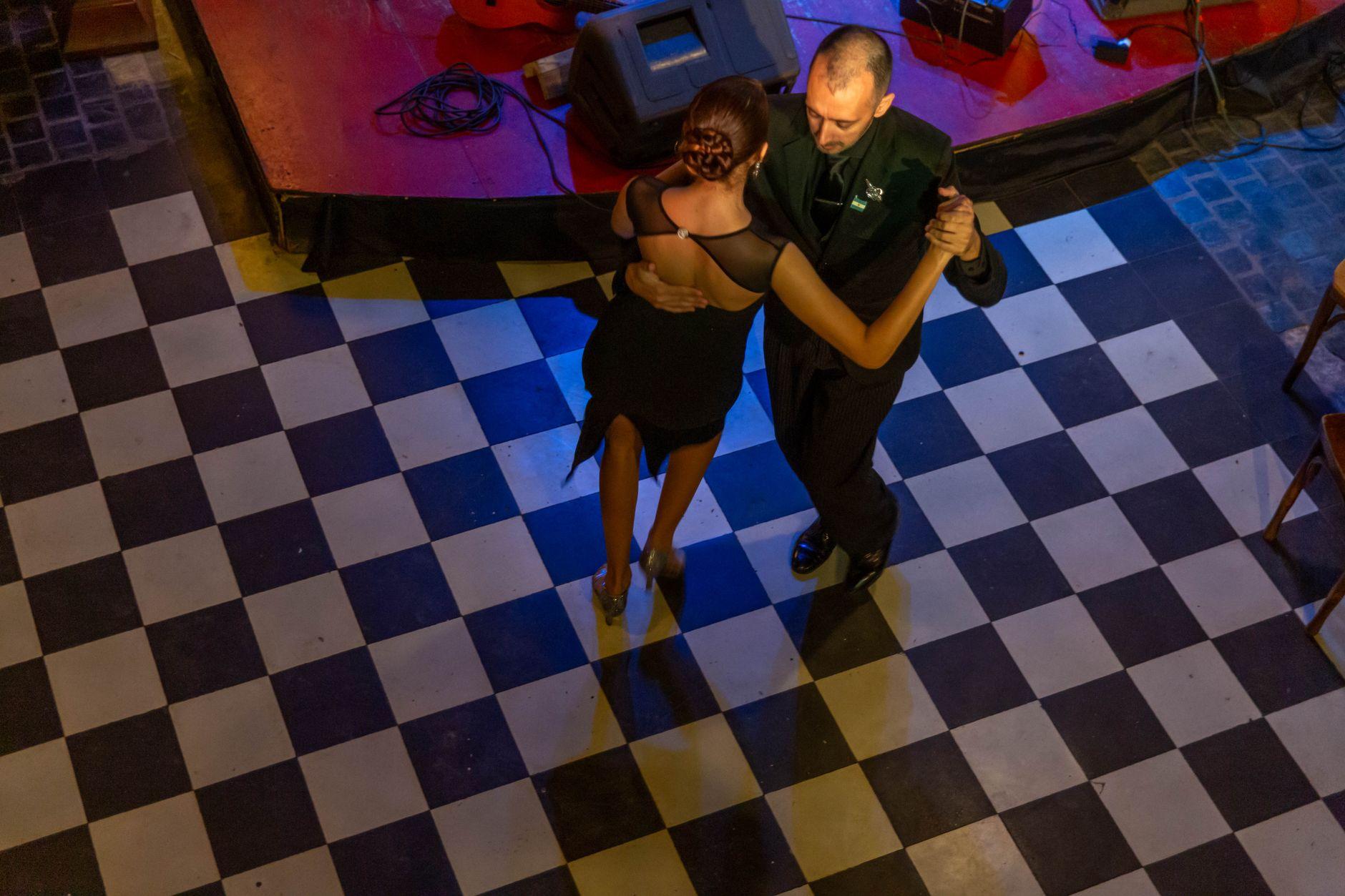
Buenos Aires is not just a tango destination. It's the place where tango breathes, argues with itself, reinvents itself, and keeps going until 6am. For a tango dancer, visiting Buenos Aires is the closest thing to a pilgrimage the dance world offers — and it tends to recalibrate everything you thought you knew about the form.
The Milonga Circuit: What to Know Before You Go
Buenos Aires has dozens of active milongas, ranging from formal ballrooms to outdoor plazas where everyone is welcome. The three essential ones:
La Glorieta in Belgrano is perhaps the most photographed tango venue in the city — an open-air pavilion in a park where dancers gather on weekend evenings. The atmosphere is relaxed and inclusive, the technique ranges from beginner to expert, and there is no dress code. It's the right first milonga for a visitor.
Club Gricel in San Cristóbal is the real thing: a large, traditional ballroom that has operated since 1937. The floor is serious. Codes are observed. You'll find multigenerational porteños dancing the tango they grew up watching their parents dance. Dress well, sit and wait to be invited, and don't talk on the floor.
Confitería Ideal in the microcentro is a landmark — a Belle Époque tearoom turned milonga with the worn grandeur that Buenos Aires does so well. It hosts afternoon and evening milongas and is central enough to be your first stop the day you arrive.
Understanding the Códigos
The milonga codes — códigos — exist for a reason. They create a functioning social dance environment where hundreds of people can navigate a crowded floor without chaos or awkward refusals. The cabeceo (the subtle nod used to invite from across the floor) means no one is put in the position of refusing a face-to-face request. The ronda (the counterclockwise line of dance) keeps traffic moving. Learning these before you arrive is not optional — it's respect.
If you're used to West Coast Swing or salsa socials, where you walk up and ask directly, you'll need to rewire your instincts. Sit, make eye contact, wait. It works.
Neighborhoods: Where to Stay, Where to Dance
San Telmo is the tango neighborhood by reputation — cobblestone streets, antique markets, and milongas in converted old buildings. It's beautiful, tourist-friendly, and genuinely has good dancing, but it's not where the most serious dancers live.
Palermo has the late-night practicas where professional dancers and serious amateurs keep going after midnight. Salon Canning, in Palermo, hosts some of the most important regular milongas in the city.
Almagro and Villa Crespo are the neighborhoods where the working dancer's Buenos Aires actually lives — less photogenic, more authentic.
When to Visit
March and April are considered the best months. The Buenos Aires Tango Festival happens in August, which is spectacular for spectacle but means the city is crowded and prices rise. The shoulder seasons — April and November — offer serious milongas without the crush.
Avoid January and February if you can: it's the Argentine summer, many milongas close for vacation, and the heat is punishing.
The Accommodation Question
Buenos Aires has become significantly more expensive for international visitors in recent years, though it remains cheaper than European capitals. Staying with a local tango dancer through Swelloo is the insider move: you arrive with someone who knows which milongas are worth attending on any given night, which teachers are genuinely good, and which venues cater to tourists rather than real dancers.
That local knowledge, in Buenos Aires, is everything.
What to Bring
Two pairs of dance shoes, minimum. The humidity in summer will destroy one pair faster than you expect. Argentine leather is excellent and cheaper than in Europe — budget for a new pair.
Bring layers for milongas: rooms fill up and the temperature swings. And bring patience. Buenos Aires operates on its own time. The milonga that starts at 11pm will have a real floor by 1am. Plan accordingly.
Heading to a festival? Stay with local dancers.
Swelloo connects dancers worldwide so they can exchange their homes. No accommodation costs, with a host who truly understands the traveling dancer lifestyle.
Discover Swelloo