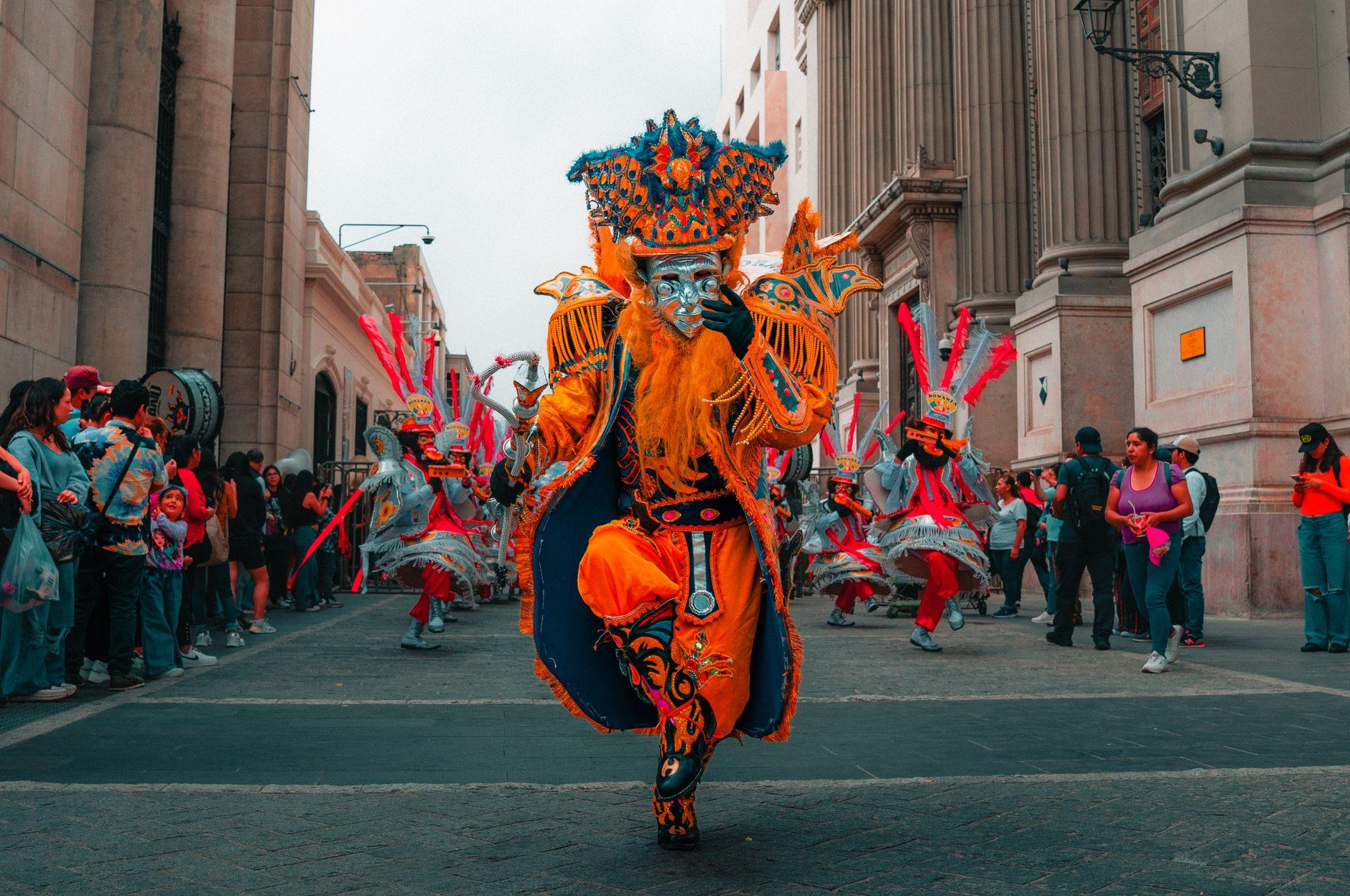
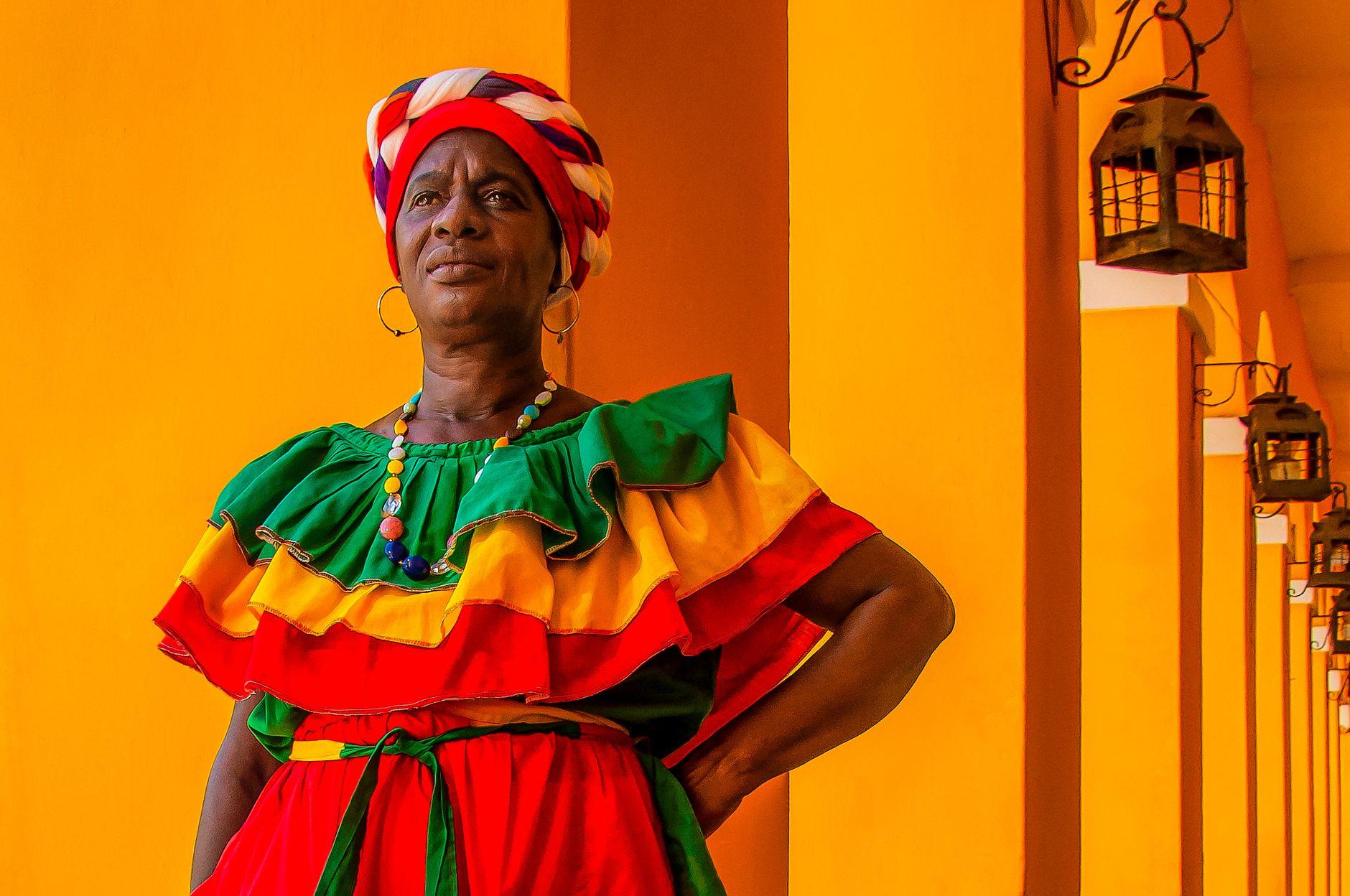
Mexico City for Salsa Dancers: Scene, Venues, and How to Experience It
Mexico City has a salsa scene that surprises most visiting dancers. Beneath the enormous sprawl of the capital, a tight-knit community of serious salseros meets nightly in venues spread across Colonia Roma, Condesa, and Centro Histórico.
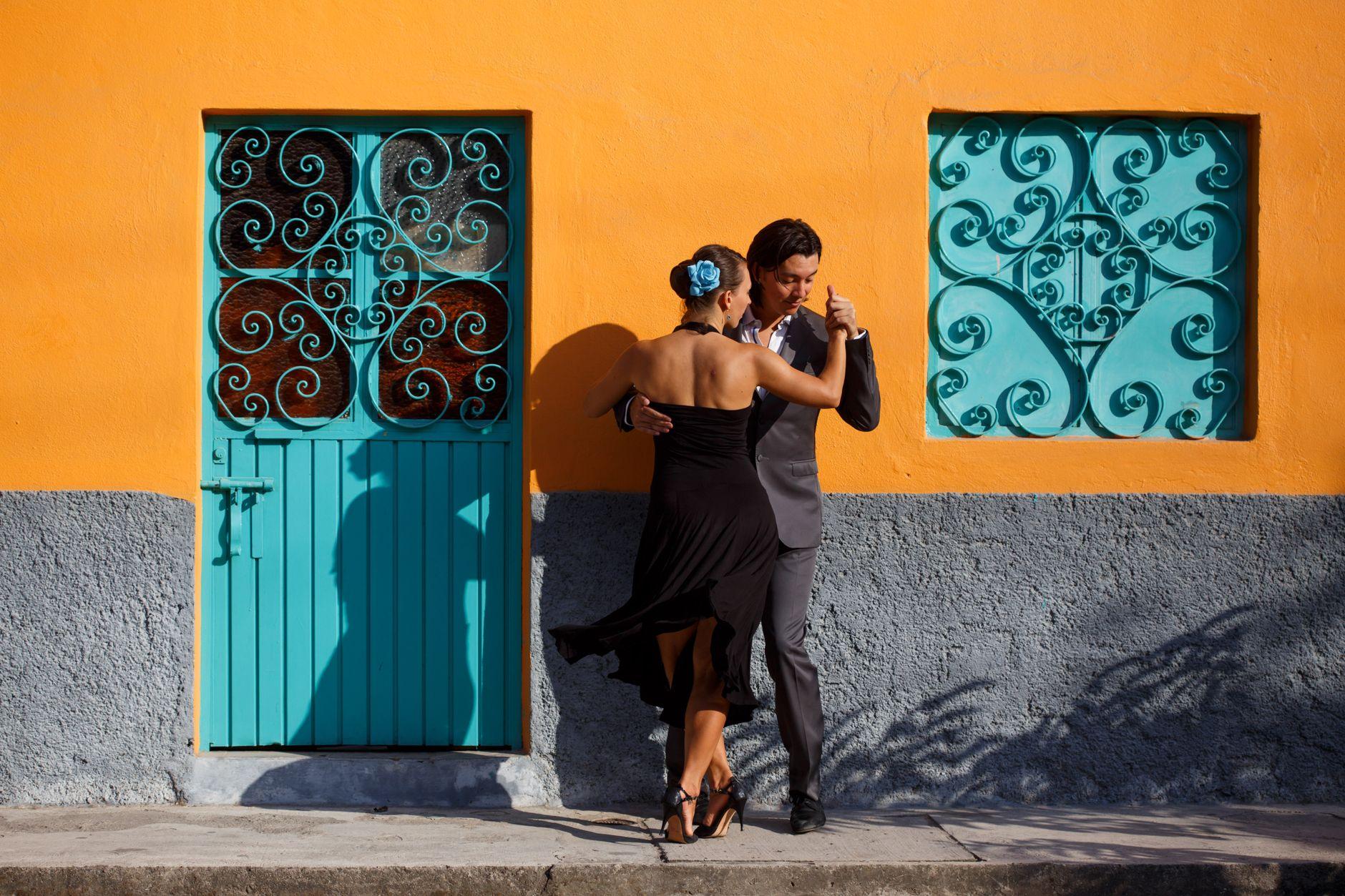
Mexico City is one of the largest urban areas on earth — over 20 million people, 16 boroughs, an altitude of 2,240 meters that will slow you down the first two days. It is also, for the traveling dancer, one of the most rewarding cities in Latin America. You just have to know where to look.
The Salsa Scene: What Makes It Different
CDMX has a salsa tradition rooted in its own history. The city sits at the crossroads of Caribbean salsa styles and Mexican popular music — you'll hear mambo-era orchestras, Cuban son, New York on2, and Colombia-influenced casino styles all coexisting in the same week's calendar.
The local scene skews toward salsa on2 (New York style) in the more technical venues, while Cuban-style and on1 dominate at the larger, more popular spots. Don't be surprised to find all three at the same venue on the same night.
Where to Dance
Salón Los Ángeles in Tepito is a living piece of Mexican music history. Opened in 1937, it is one of the oldest and most important dance halls in the country. Big-band orchestras still play here on weekends. The crowd is multigenerational, the dress code leans formal, and the dancing is the real thing. Go on a Thursday or Saturday night for the full experience.
Bar Oriente in Colonia Roma Norte is the social salsa hub for the educated CDMX dancer. Regular nights draw a serious crowd of on2 dancers, the DJing is excellent, and the atmosphere is warm without being touristy. This is where you'll meet the community.
La Bodega de los Besos in Centro Histórico hosts live salsa bands in a venue that feels like it hasn't changed in forty years. Crowded, sweaty, joyful. The floor is small and the dancing is close. Exactly as it should be.
The Practicalities of the City
Size is the main challenge. Colonia Roma and Condesa — the natural base for a visiting dancer — are pleasant, walkable, and well-connected, but "well-connected" in CDMX terms still means Ubers and the metro when you need to cross the city.
The altitude hits everyone. Budget two days for acclimatization before you try to dance seriously. Skip the mezcal on your first night.
Cost of living is one of CDMX's genuine advantages: the peso-to-euro exchange rate makes accommodation, food, and taxis dramatically cheaper than European capitals. A dinner that would cost 40 euros in Madrid costs 10 in Roma Norte.
Staying in the City
Colonia Roma and Condesa are where visiting dancers tend to land — good food, good transport links, close to the best venues. Airbnb options are plentiful and generally reasonable. The smarter option for a dancer who wants to be immediately plugged into the scene is to connect with a local salsero through Swelloo — someone who can point you toward Tuesday socials that aren't on any website and introduce you at the venue so you're dancing from the first night instead of the third.
A Note on Safety
CDMX has a complicated reputation that doesn't match the lived reality of the neighborhoods where dancers actually spend time. Colonia Roma, Condesa, Polanco, and San Ángel are safe, well-lit, and full of people until late. The same basic urban precautions that apply in Paris or Madrid apply here. Don't flash expensive equipment, use Uber rather than random street taxis after midnight, and trust your local host's knowledge.
What You'll Take Home
The dancers in Mexico City are genuinely welcoming to visitors who come seriously. Show up, show that you're there to dance and not just to watch, and you'll leave with invitations, WhatsApp groups, and plans to return. The CDMX salsa scene has a warmth that is specific to the city — unhurried, generous, and deeply committed to the music itself.
Heading to a festival? Stay with local dancers.
Swelloo connects dancers worldwide so they can exchange their homes. No accommodation costs, with a host who truly understands the traveling dancer lifestyle.
Discover Swelloo